竹 茗 堂
CHIKUMEIDO · Takayama, Nara · est. 500 years ago
0 / 100
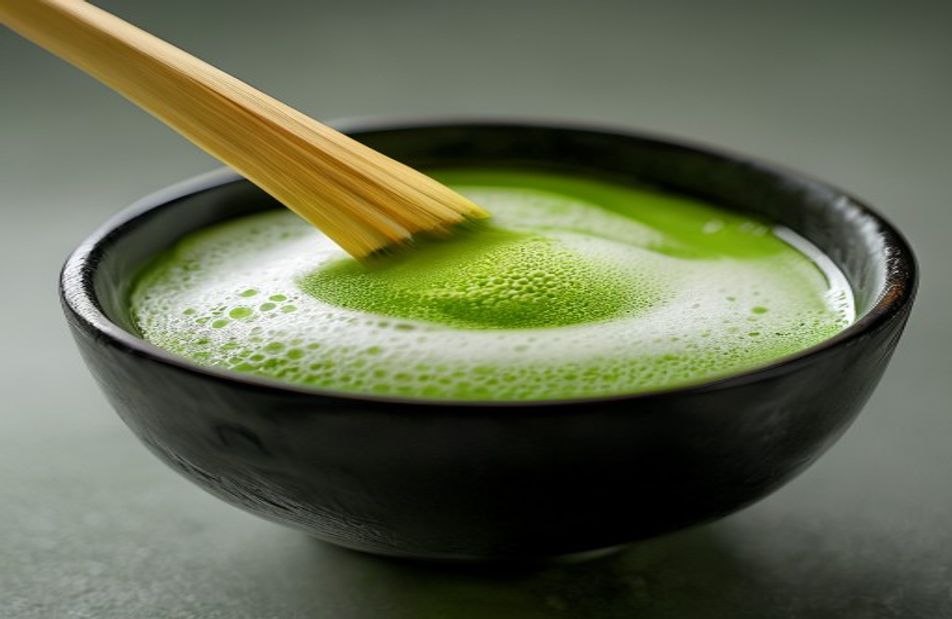
Bright green matcha being whisked with a handmade bamboo chasen
Takayama Chasen · Ikoma, Nara · since the Muromachi era

The tool that makes
matcha, matcha.

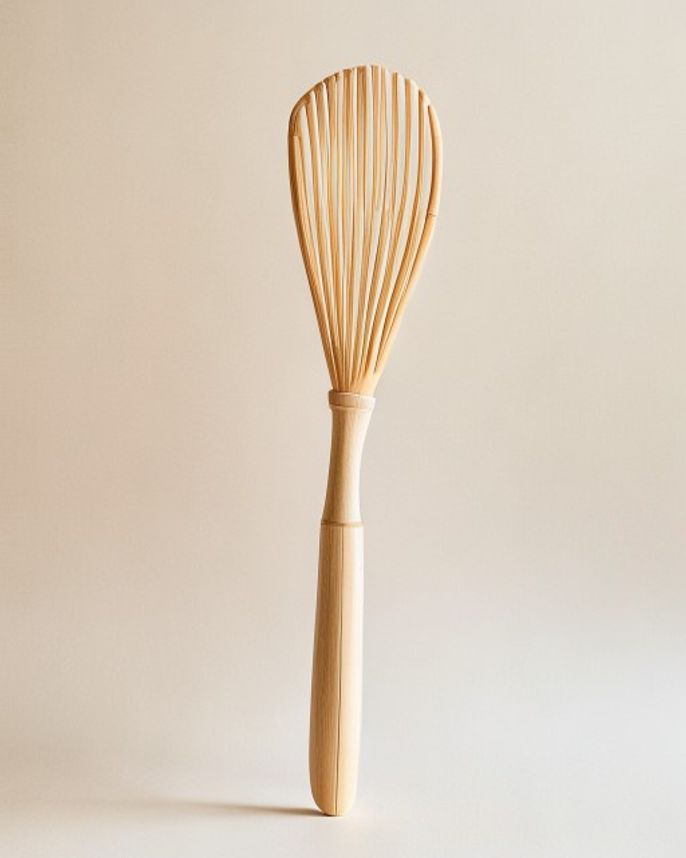
A real tea whisk — a , chasen — is not moulded. It is one node of bamboo, split by hand into as many as a hundred and twenty impossibly thin tines.

For over five hundred years, in the one village that makes it, that is what we do.

500 years of the craft 24th generation, by hand ≈90% of Japan's whisks, one village
Scroll
茶 筌

One cut too deep,
and the whisk is lost.
So none of them are.

CHASEN — the bamboo whisk that raises matcha to foam

The whole world is drinking matcha now. But the powder is only half of it — without the right whisk, matcha stays bitter, lumpy, flat.

A is what turns it: dozens of hand-carved tines that break the clumps and whip air into a fine, sweet, jade-green foam. Machines can't make one. It has always been a single pair of hands, one length of bamboo, and a knife.

We are Chikumeido — a workshop of that craft in Takayama, Nara, carrying it into its twenty-fourth generation.

The Village — 高山, 茶筌の里

Nearly every tea whisk in Japan
is born on one hillside.

It is called Takayama, in Ikoma, Nara. For five centuries the craft was passed down here ichigo-sōden — one heir, one secret, one bloodline at a time. Today this single village still makes the overwhelming majority of the country's whisks. Chikumeido is one of its workshops.

0%

of all Japanese tea whisks

are made in Takayama

0yrs

since the craft began

Muromachi era to today

0gen

generations of the house

Kubo Saemon, current head

0tines

split from one node

in a single fine whisk

高山茶筌Takayama ChasenMade entirely by handTraditional Craftsman 伝統工芸士Designated Traditional CraftOne node of bambooNara, Japan 高山茶筌Takayama ChasenMade entirely by handTraditional Craftsman 伝統工芸士Designated Traditional CraftOne node of bambooNara, Japan
The Craft — 一本の竹から

From one node of bamboo,
a hundred tines.

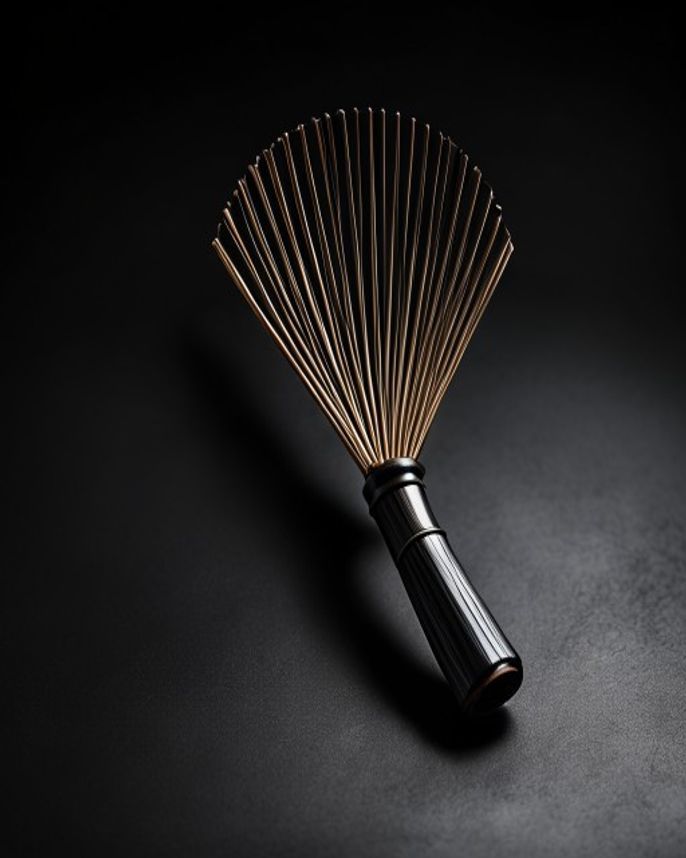
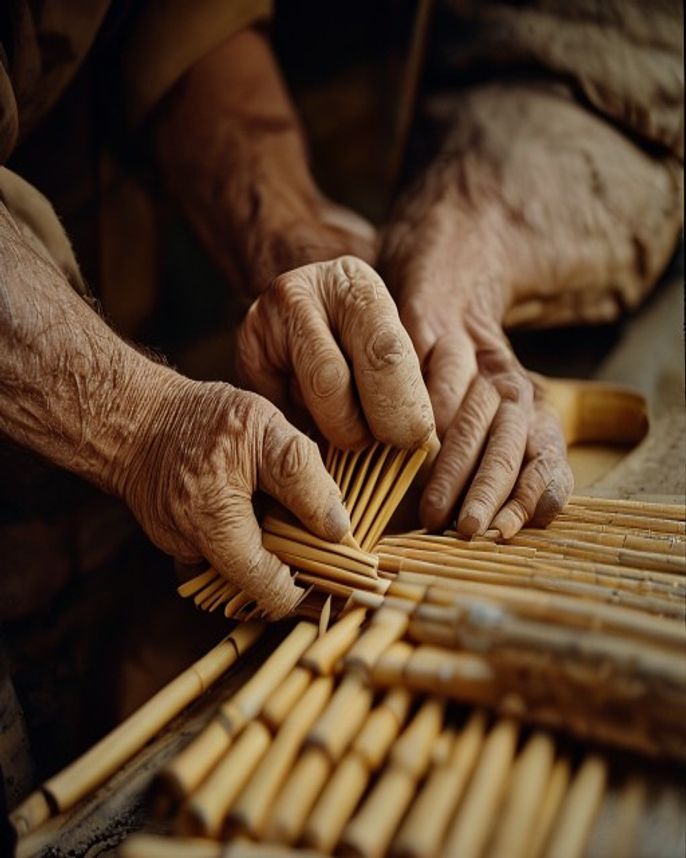
Nothing here is turned on a lathe or pressed in a mould. A single length of hachiku bamboo is split, thinned, and curled entirely by hand — the reason a real chasen whisks matcha the way nothing else can. Choose a grade below to see the tines fan out.

01

Split —

WARU

The top of the bamboo is split into 16 broad strips, then each strip again and again, until dozens of fine tines fan from a single node.

02

Shave —

AJI-KEZURI

Each tine is shaved paper-thin by hand and curled inward, so it flexes just enough to raise a fine foam without tearing.

03

Tie —

AMI

Inner and outer tines are separated and bound with a single thread — the shape that decides how the whisk moves in the bowl.

04

Finish —

SHIAGE

The head is trimmed and evened by eye. All by one maker's hands, under the head of the house — every whisk, Japanese bamboo, made in Japan.

Tines
100HYAPPON-DATE
Choose Your Chasen

More tines, finer foam.

The grade is simply how many tines are split from the node. More tines make a smoother, easier foam — so beginners are often happiest with a higher count. Every one below is signed Saemon-saku, made by our own hands. Prices in yen, with an approximate US figure for reference.

数穂
KAZUHO · ~48 tines
The everyday standard for thin tea (usucha).
¥5,000 ≈ US$33
八十本立
80-DATE · 80 tines
A little finer — an easy, forgiving foam.
¥5,600 ≈ US$37
百本立
100-DATE · 100 tines
The favourite for first-timers — smooth & quick.
¥6,600 ≈ US$43
百二十本立
URASENKE 120 · 120 tines
The finest foam of all, for Urasenke usucha.
¥8,000 ≈ US$53
A craftsman's hands splitting bamboo tines to make a tea whisk
The House — 竹茗堂 左文

Twenty-four generations,
one blade.

Takayama's whisk-making began in the Muromachi era and was guarded for centuries as ichigo-sōden — handed to a single heir at a time. Chikumeido carries that line into its twenty-fourth generation, under the house name , Kubo Saemon.

The head of the house is a nationally certified Traditional Craftsman (), and Takayama chasen are a craft designated by Japan's Minister of Economy, Trade and Industry. The work has been honoured by the prefecture, the ministry, and in 2015 with the Order of the Rising Sun.

Every whisk is made entirely by hand, from Japanese bamboo, here in Nara. No moulds. No shortcuts. Just the craft, exactly as it was five hundred years ago.

竹茗堂 左文CHIKUMEIDO SAEMON · TAKAYAMA, IKOMA, NARA

The world found matcha.
It hasn't yet found the whisk.

Search for a chasen abroad and you'll mostly find mass-made imitations. The real thing — split by hand, in the village that has made it for five centuries — has never had an English door to walk through. This storefront is that door: the same whisks, now ready to reach your bowl, wherever it sits.

Order in English

From Takayama, to your bowl.

Tell us which whisk you'd like and where in the world it's going. We'll reply in English and pack it to travel safely — a chasen is light, and ships beautifully.

Choose

Pick a grade

New to matcha? A 100- or 120-tine whisk gives the smoothest, most forgiving foam. We'll help you choose.

Order

Reserve by email

Each whisk is made by hand in Nara. Send us the grade and your country, and we'll confirm price and shipping to you.

Care

Made to last

With a resting stand () and a gentle rinse, a good chasen lasts season after season. We'll include the how.